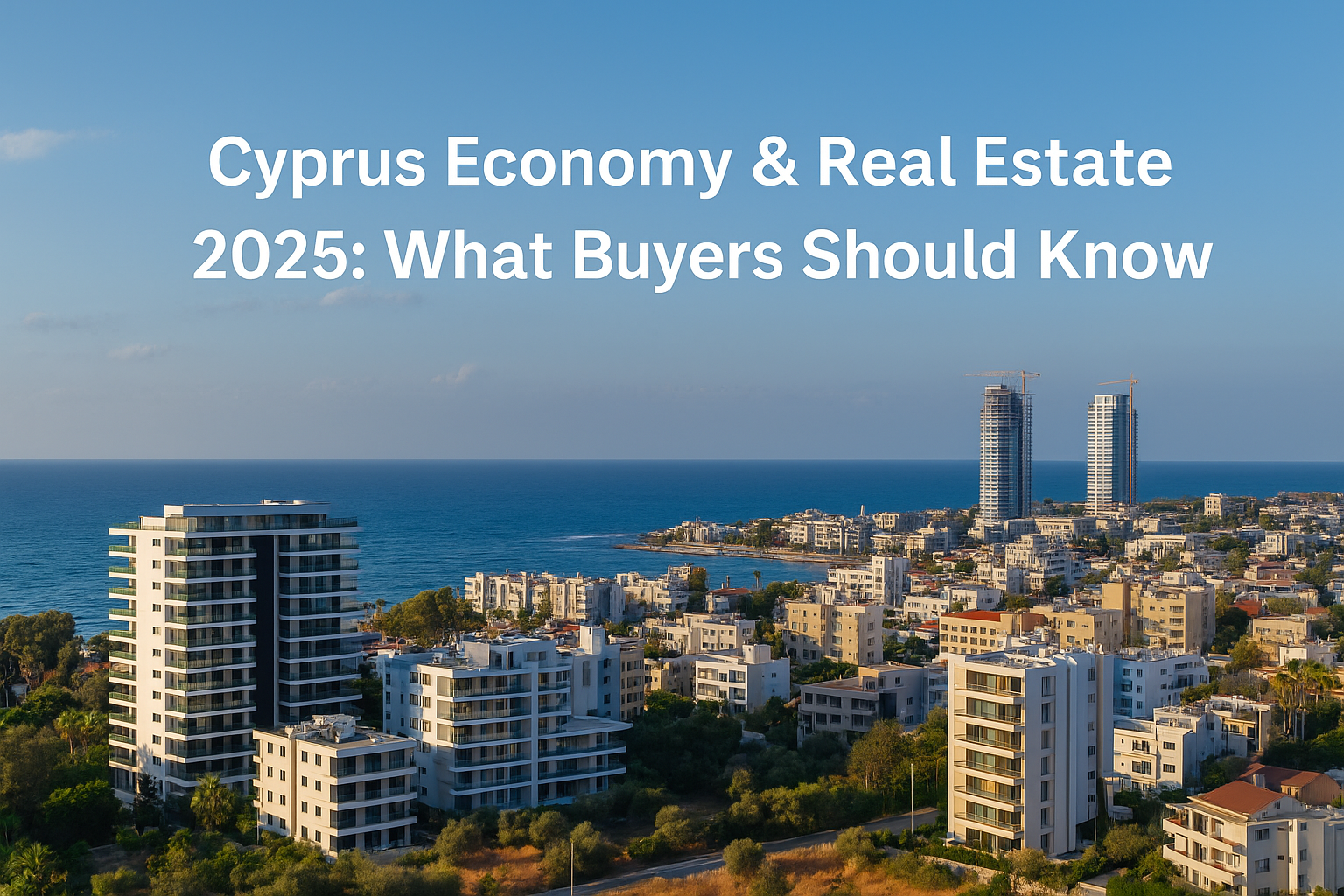
As 2025 unfolds, Cyprus continues to stand out as one of the most resilient and attractive economies in the Mediterranean region. Stable growth, strong tourism, and rising foreign investment have fueled consistent demand in the real estate sector — particularly in cities like Paphos, Limassol, and Larnaca.
Here’s what every property buyer should know about the Cyprus economy and housing market in 2025.
Economic Stability & Growth
The Cyprus economy is expected to grow by around 2.8–3% in 2025, driven by construction, tourism, tech startups, and renewable energy projects.
Inflation has stabilized, and unemployment remains one of the lowest in Southern Europe. The island’s continued membership in the EU and Eurozone ensures economic and regulatory stability, making it a safe long-term environment for property investors.
Real Estate Trends in 2025
Demand for property remains strong, especially in coastal areas like Paphos and Limassol.
Key trends shaping the market include:
Off-plan property sales increasing by 15% year-on-year
Growing interest in eco-friendly and smart homes
Permanent Residency (PR) demand driving mid- to high-range sales
Steady price appreciation of 5–7% annually in key districts
Paphos leads the way for lifestyle buyers and retirees, while Limassol remains a magnet for luxury and business investors.
Foreign Investment & PR Program
Cyprus continues to attract non-EU investors through its €300,000 PR (Permanent Residency) program.
In 2025, the income requirement is €50,000 for the main applicant, with additional allowances for dependents.
Foreign direct investment (FDI) is also flowing into:
Real estate and infrastructure
Renewable energy
Technology and shipping sectors
This investment activity supports property values and enhances the island’s global reputation as a stable, business-friendly destination.
Regional Highlights
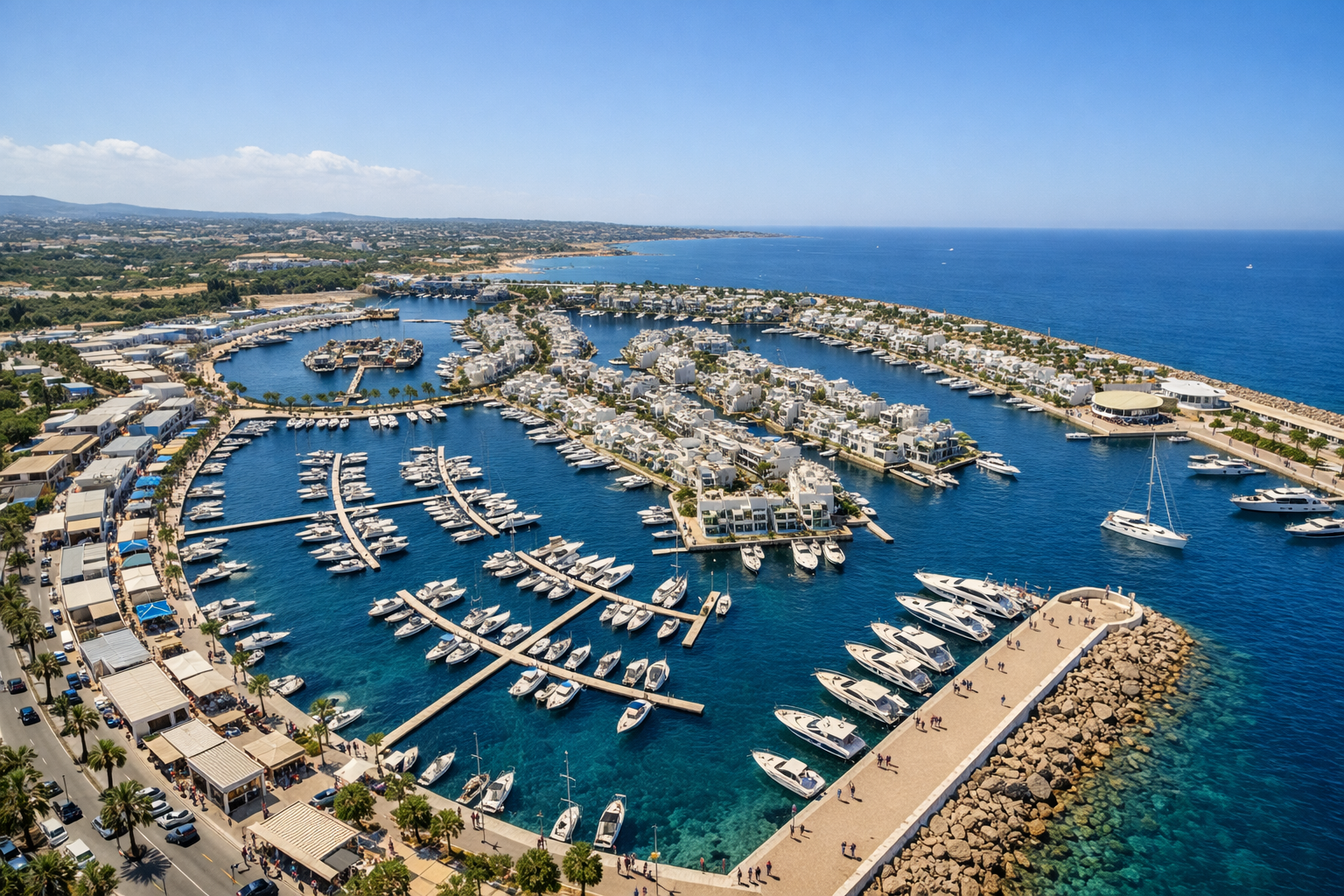
Paphos – Remains the leader for PR and retirement buyers, combining affordability, lifestyle, and upcoming projects like the new Marina.
Limassol – Continues to attract corporate buyers and luxury investors; strong demand but higher price per m².
Larnaca – Rising quickly with airport proximity and new coastal developments.
Nicosia – Growing tech hub, attracting professionals and digital nomads.
Construction & Sustainability
Developers across Cyprus are prioritizing energy-efficient architecture, solar integration, and green building standards.
Buyers in 2025 can expect:
Modern insulation and smart systems
Class A energy ratings
Focus on sustainability and reduced operating costs
This makes Cyprus real estate not only desirable but also future-proof.
Currency & Tax Advantages
As part of the Eurozone, Cyprus offers financial stability and low taxation:
No inheritance or wealth tax
12.5% corporate tax — among the lowest in the EU
5% VAT for first-time buyers
Non-dom status available for foreign residents
These policies continue to draw both private investors and companies relocating for favorable conditions.
Final Thoughts
Cyprus enters 2025 with steady growth, rising real estate demand, and investor confidence.
With strong fundamentals, lifestyle appeal, and ongoing infrastructure improvements, it’s clear why buyers from Europe, the Middle East, and beyond continue choosing Cyprus — particularly Paphos — for both living and investment.